Showing posts with label Skincare. Show all posts

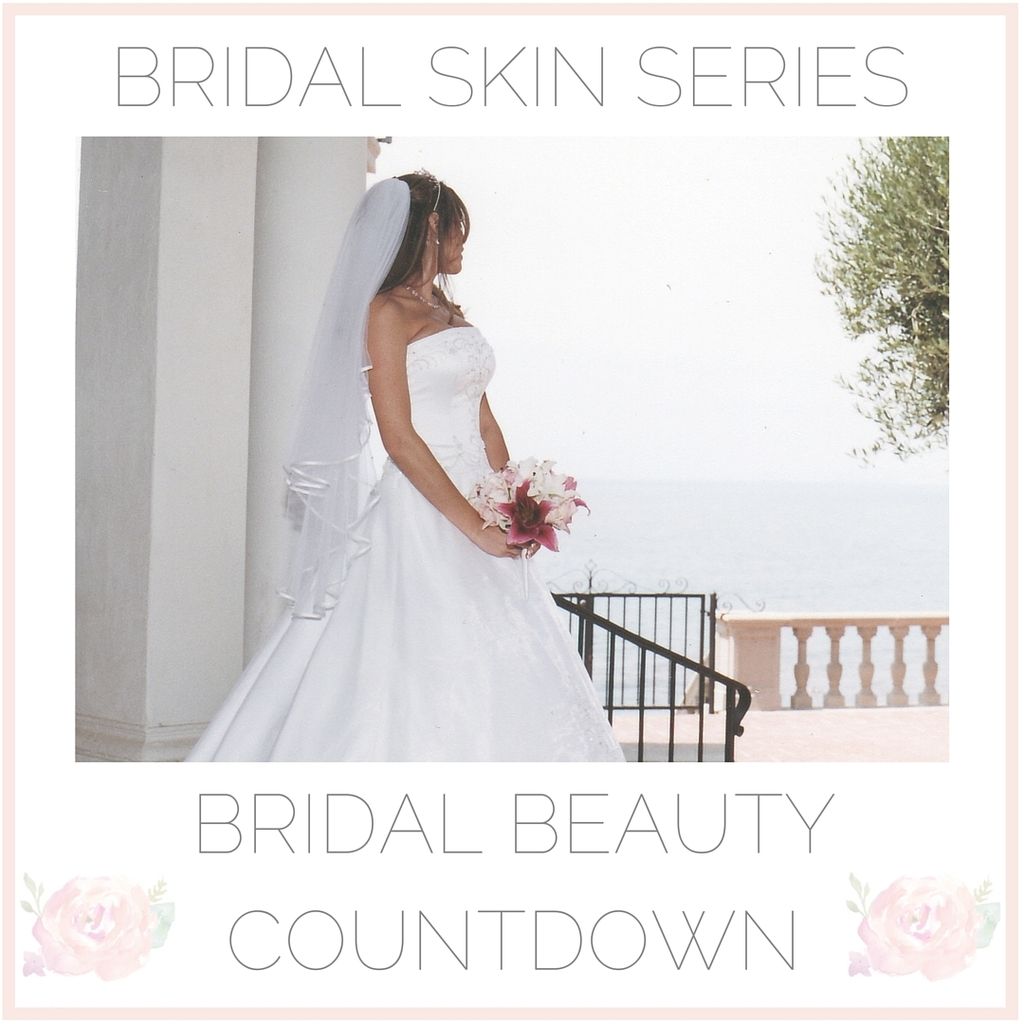
Bridal Skin Series | Bridal Beauty Countdown

The International Dermal Institute has the most informative classes! I love heading over there when they have guest speaker events. The last class I attended was called Perfecting Bridal Skin. I learned the best way to incorporate services for brides-to-be, and how to address their skin concerns head on. There was also a live demonstration on prepping and applying bridal make-up which was a ton of fun!

Being that wedding season is quickly approaching, I'm going to break up all of the bridal information into a few separate posts since I have so much new information to share!

First thing I want to talk about is developing a game plan and scheduling your treatments for the big day. Whether you are the bride to be or a member of the bridal party, you are going to want to look and feel your best! Looking good doesn't just happen over night; trust me, it takes time. Planning is everything!

Here is a basic countdown on what you should be doing to make sure you are looking your best for the big day:

12-15 Months Prior
At-Home Skincare Regimen
Solidify your skincare treatment plan. Remember, consistency is key! I cannot stress how important it is to get on professional at-home products. Experts agree that 80% of the results you see on your skin come from what you are doing day to day, at home on your skin. Let's be clear on what are considered professional products; just because you are purchasing an expensive product, does not mean it is going to address specific skin concerns you might have for your big day. Professional products cannot be purchased at department stores due to the fact that they contain active ingredients that are not suitable for a multitude of skin types. Get in touch with your esthetician so she can point you in the right direction as to which products to use. 

Laser Tattoo Reduction
Laser tattoo reduction lightens and removes tattoos without damaging the surrounding tissue. It is scheduled every 4-6 weeks. Please keep in mind that it takes time to remove a tattoo, and rate of removal depends on several factors.

6-9 Months Prior
Laser Hair Reduction
This treatment permanently reduces unwanted hair. Scheduled every 4-6 weeks. Remember, the lighter your skin and the darker your hair the better the results will be. My favorite areas to treat with laser hair reduction are the underarms and the brazilian area. Who doesn't want to be hair-free for their wedding and honeymoon?!  

Cosmetic Injections & Fillers
This may not be for everyone, but if it is, make sure you schedule your first treatment 6-9 months prior to the big day. Injections like Botox or Dysport can help you achieve a wrinkle-free look just about anywhere on your face. Between the eyebrows, on the forehead, and around the eyes to minimize crow's feet are popular injection sites. Clients also request to have the lines around their mouth and their necks treated as well. Also, something to keep in mind, when Botox and Dysport are injected into the underarms and hands it reduces excessive sweating. Facial fillers such as Restylane, Juvederm, and Radiesse are available to enhance your lips and cheeks, replace lost volume in the face (due to aging), smooth wrinkles, and fill in scar depressions (including acne scars).  

4-5 Months Prior
Intense Pulsed Light (IPL)
This treatment helps removes age spots, moles, angiomas (red spots), rosacea, acne lesions, and spider veins. Common treatment area include the face, neck, chest, arms, and upper back. IPL works best in a series of treatments scheduled 4-6 weeks apart. 

Microdermabrasion and Chemical Peels
These non surgical treatments are great at treating uneven skin tone and texture, or discolorations caused by acne or sun damage. These work best in a series of treatments, usually spaced about 4 weeks apart, over the course of a few months.

4 Weeks Prior
Spray Tanning
A major pre-wedding no-no is sun exposure! Nothing ages and dehydrates the skin more than the sun does! Spray tanning gives your skin a nice healthy looking glow. Having a good tan accentuates your features and is also very slimming. A nice even tan can minimize the appearance of stretch marks and varicose veins and blends any imperfections. Try spray tanning at least one month prior to the big day so that there are no surprises.

Eyelash Extensions
This is a wonderful treatment to consider! Not only will your new lashes look great in pictures, but you can keep them fluttering worry-free on your honeymoon.

Trial Run for Hair and Makeup
Request a trial run for your hair and makeup. If you plan on spray tanning, make sure you are the color you plan on being on your wedding date as you are on the trial run.

Last treatments in all of your series.
Last appointment for injectibles, if using.


1-2 Weeks Prior
Any facial done within two weeks should be for cleansing and/or hydrating only.
Do not schedule a facial any sooner than one week prior to the wedding.
Practice stress management techniques.
Keep your pillowcase extra clean.
Stay away from dairy and sugar.
Avoid wine as much as possible.
Hydrate! Water! Water! Water!

4-5 Days Prior
Hair Removal
Get all remaining hair on your body waxed, including your brow, to prevent redness or irritation on the day of.

2 Days Prior
Spray tan, if that is something you have planned on doing.
Fill eyelash extensions, if you've decided to have them.

1 Day Prior
Deep-conditioning treatment on hair.
Exfoliate and moisturize your entire body.
Manicure and pedicure.


No matter what regimen you decide on remember to talk to your esthetician and/or skincare professionals and thoroughly communicate your needs and concerns. I hope that you'll use this countdown all the way until your wedding day as a helpful guide of when to schedule your beauty treatments!

So... What are your favorite ways get wedding-ready???

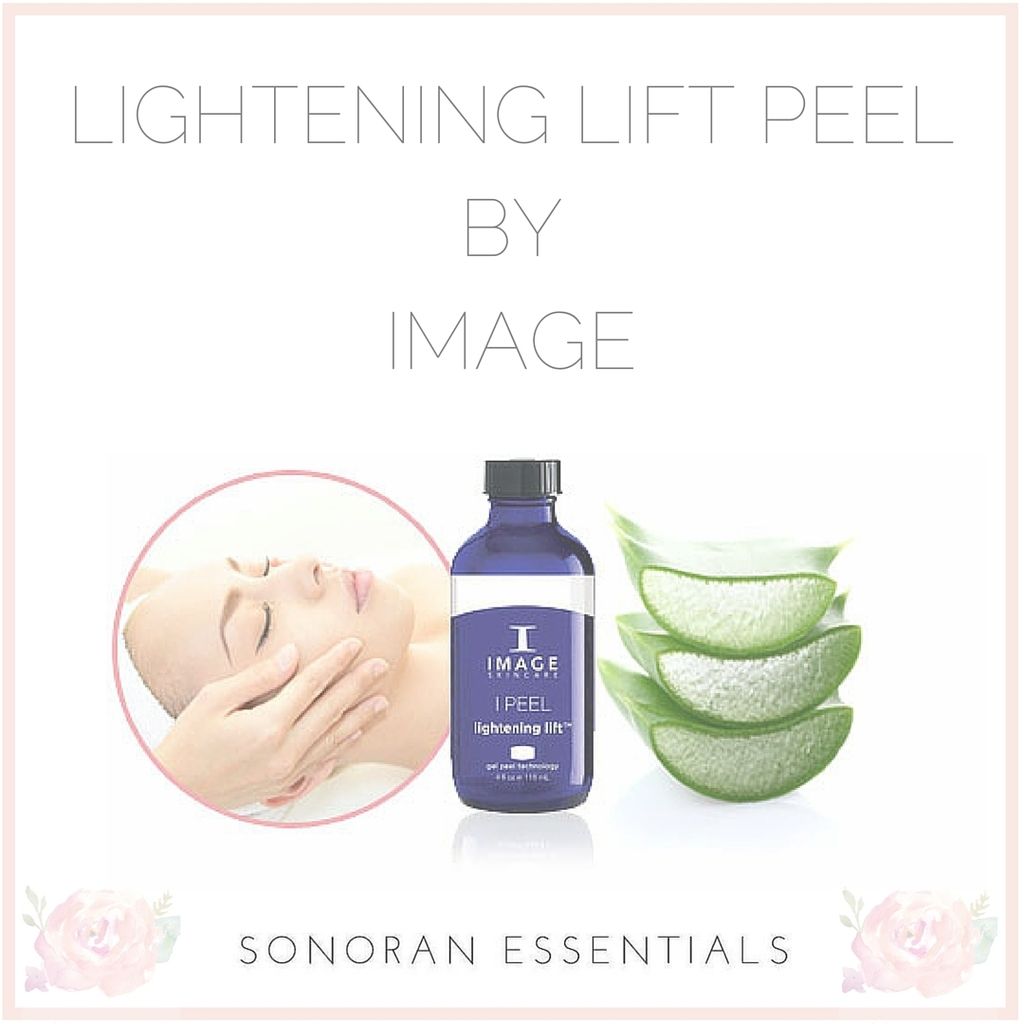
Lightening Lift Peel


As someone who suffers from an uneven complexion, I am particularly drawn to the Lightening Lift® peel by IMAGE Skincare. It is made up of an organic aloe vera gel base and contains a 50% blend of Lactic and Kojic Acid. Lactic acid is an AHA exfoliator, while Kojic acid is a skin lightener and tyrosinase inhibitor (reduces hyperpigmentation). Several other ingredients also make this peel attractive including echinacea angustifolia stem cells that stimulate the synthesis of new collagen and reduce post-inflammatory hyperpigmentation (PIH). A botanical blend of coffee and peppermint aid in cell renewal and balance. Essential oils like eucalyptus and ylang ylang help detoxify and oxygenate the skin. Natural skin brighteners like luminescene, bearberry, licorice, and mulberry are used to enhance this peel as well. Lastly, a natural protective complex made up of mallow extract, arnica, green tea, comfrey, and blackberry help nourish the skin.

As someone who personally takes an interest in essential oils and natural products, I believe this peel is an excellent choice. I personally loved the way it felt on my skin. It is hydrating, brightening, lightening, and tightening. I feel like it significantly reduced my fine lines. It is a great superficial peel, perfect for those who are not interested in treatments that require downtime. I personally did not have any irritation whatsoever from this peel. It is perfect for a first-time peel, and for preventative anti-aging. It should be a top choice for those seeking younger looking, even toned, illuminated skin. The Lightening Lift peel should be done a total of 6 times, at 2 week intervals, for optimal results. It can be left on the skin anywhere from one to ten minutes, depending on the clients tolerance. It is also one of the most cost effective chemicals IMAGE has to offer, which is also a big plus for clients who want great looking skin on a budget!

An Introduction to Chemcial Exfoliation


A chemical exfoliation, also commonly referred to as a chemical peel, is when a chemical solution is professionally applied to the skin in an effort to remove the outer layers of the skin and address different types of skin conditions.

Popular ingredient choices for chemical exfoliations are Alpha Hydroxy Acids (AHA's) and Beta Hydroxy Acids (BHA's). AHA's and BHA's dissolve dead skin bonds, stimulate cell renewal, fight hyperpigmentation, liquify excess oil in pores, and clear up acne. They also help to minimize fine lines and refine pore size. These acids allow your skin to better receive the benefits from your home skin care regimen. Although these acids are all similar, different acids help target certain skin conditions more specifically.

Prepping your skin is crucial to the success of your chemical exfoliation. Two week prior to receiving your exfoliation you should begin using a glycolic based cleanser to prepare your skin for an professional grade exfoliation. You should also discontinue use of products like Retin-A and hydroquinone two weeks prior to your service. Properly prepping your face will produce a more uniformed penetration, and contribute to faster cell turnover. It also decreases your risk of post inflammatory hyperpigmentation (PIH).

There are many different types of chemical exfoliation, varying in strength of active ingredients. They have key differences such as pH level, how much skin is removed, and how deep the chemicals penetrate.  When considering a chemical exfoliation it is important to consider two main factors: the pH level of the product and the percentage of the product. The pH level indicates how deep the product will penetrate. For example, the lower the pH, the greater concentration of acid. The percentage of the peel determines how effective the product will be at breaking up the intercellular glue.

There are four different depths of chemical peels: very superficial, superficial, medium, and deep.

Very superficial peels exfoliate the stratum corneum (top layer of the skin) and include manual scrubs, gommage, enzymes, microdermabrasion, and very low percentage AHA's and BHA's.

Superficial peels are usually made up of: AHA and BHA peels (which include glycolic, lactic, tartaric, malic, mandelic, and salicylic acids), Jessner's Solution Peels, and low percentage trichloroacetic acid peels (TCA).

Medium depth peels penetrate deeper into the skin to and typically take longer for redness and peeling to subside. They include:  70% glycolic acid peels, 35-40% TCA peels, and the Obagi Blue Peel.

Deep peels are usually derived from Phenols, C02 lasers, Levulan, and dermabrasion. Results are nothing short of incredible; drastically reducing hyperpigmentation, scarring, and deep lines. This type of peel can look and feel very painful; swelling, scabbing, and peeling are typical. These procedures are done in a doctors office under general anesthesia or twilight sedation. They require a significant amount of down time as well.

It is normal to have some redness, followed by dryness and itching. Peeling may also occur before your healing process is over. After your peel you should avoid touching your face until the following morning. You should wash your face with a gentle cleanser for sensitive skin. Avoid using washcloths or anything abrasive on your skin for 5-7 days after your treatment.  Strenous exercise should be avoided for 24-48 hours. It is also recommended to avoid wearing makeup until peeling subsides, or using a mineral based makeup if necessary. Sunblock, like always, is an absolute must! Results and post care do vary depending on the type of treatment, so it is important to follow the advice of your esthetician or doctor.

What Ingredients Are Best For Me?
Glycolic Acid - Targets thicker, oiler, congested, pigmented, fine lines, anti-aging

Lactic Acid - Targets pigmented, dry, dehydrated, fine lines, anti-aging

Malic Acid - Targets mature skin; anti-aging, firming, toning

Tartaric Acid - Targets mature skin; strengthens collagen and elastin, firming and toning

Mandelic Acid - Targets sensitive, acne-prone, pigmented skin

Citric Acid - Targets pigmented and uneven skin tone

Salicylic - Targets acne, uneven skin tone, oily, fine lines, texture

Jessner - Targets fine lines, wrinkles, photo damage, firming, toning, texture, dehydration

TCA - Targets mature skin; strengthens collagen and elastin, maintains 3-dimensional alignment of dermis (deeper layer of skin), scars, folds, wrinkles, texture, and tone.

Exfoliation Products


I'm back from a blogging hiatus! With the holidays, traveling, work changes, school, illnesses, and significant injuries to both my kids; things have been a little super crazy around here. I'm glad to report that everyone is okay and that my little family is finally getting back on track.

Now that I am back, I wanted to talk about exfoliation, and how important it is to incorporate it into your skincare routine. Surprisingly, it is one of the most commonly overlooked steps in what I consider a healthy daily skincare routine. When you exfoliate your skin, you are removing the outermost layer of dead skin cells. You will see immediate results; your skin will instantly look brighter and healthier. Aside from the instant gratification of exfoliation, it has long term effects as well. When you exfoliate you allow for additional products (ie. serums, moisturizers, etc) to penetrate your skin deeper. You will also notice that open comedones (aka blackheads) also decrease over time when you incorporate an exfoliant into your daily skincare routine.

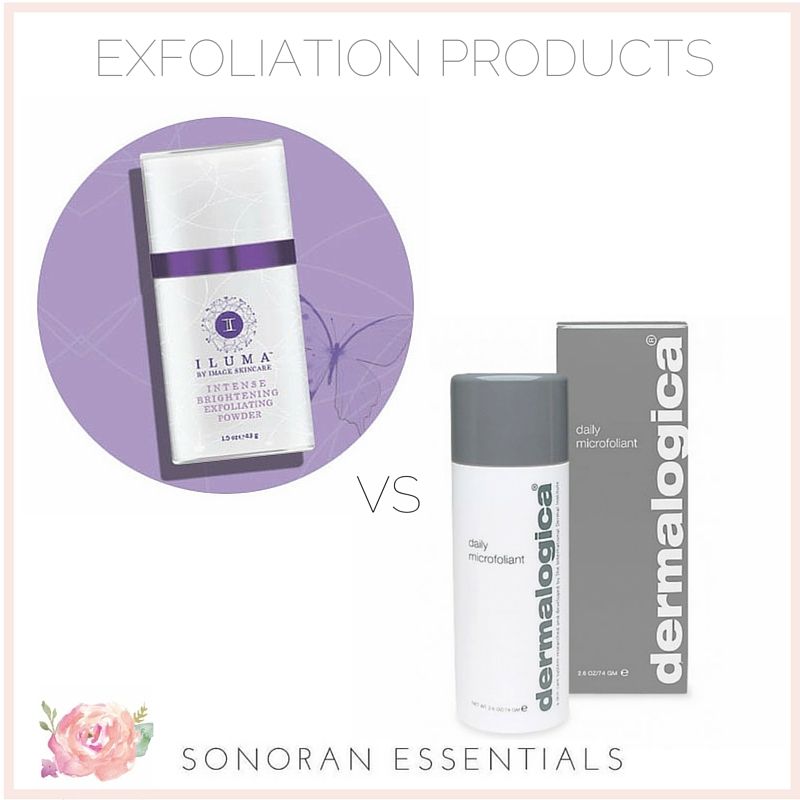
My exfoliant of choice is the Iluma™ Intense Brightening Exfoliating Powder by IMAGE Skincare. The Iluma line is new to IMAGE and is an excellent choice for those of you who wish to lighten, brighten, and illuminate their skin tone. The new line includes a cleanser, lightening serum, bleaching serum, brightening crème, brightening eye crème, hand lotion, and body lotion. The line utilizes Vectorize-Technology™ and includes active ingredients such as peptides, plant extracts, stem cells, and lightening agents.

Vectorize-Technology™ is currently only available from IMAGE Skincare, combining the active ingredients mentioned above into one molecular sphere. This sphere has many layers that are both water and lipid (oil) soluble. As the product penetrates the skin, the sphere "peels" and releases the ingredients into the skin in a time-released fashion for up to 48 hours. This is beneficial by allowing for deeper product penetration into the skin, as well as an accumulation of active ingredients which increase product efficacy.

The Intense Brightening Exfoliator Powder is a micro exfoliating powder that is good for all skin types, but especially beneficial for clients concerned with a loss of radiance or dull skin. It helps buff away dead skin cells, revealing smoother skin that is ready to absorb additional products better. It is gentle enough to be used up to twice a day, morning and evening. It can be used on both face and body as well.  To use the exfoliant, simply shake a small amount of the product into wet palms. To activate the product, rub hands together to form a light foam. Gently massage the product into the face, avoiding the eye area. The exfoliant can be left on for 5-20 minutes for added benefits, if desired. You can also mix the exfoliant in with your cleanser as well. Be sure to rinse thoroughly.

This exfoliant uses many high end ingredients that nourish the skin. Coconut milk powder that is rich in protein and vitamins is used to aid in the regeneration of skin cells. Pumpkin is considered a powerful enzymatic exfoliant and is used to exfoliate dead skin cells and other impurities while delivering vitamins and nutrients to the skin.  The Intense Brightening Exfoliating Powder utilizes a protein peptide complex, that includes whey protein and lactic acid, which aid in cell regeneration and correct uneven skin tone. The ingredients also include licorice extract, a natural skin lightener, and green tea leaf extract, an anti-inflammatory and antioxidant. Ethyl ascorbic acid is a stable and water soluble form of Vitamin C that has been added to increase product penetration, diminish dark spots, and nourish the skin with antioxidants.

In conclusion, I find this product to be superior to other similar daily exfoliators, due to the quality of the ingredients. Dermalogica® has their Daily Microfoliant® which is also a very good exfoliant. Both can be used daily, are in powder form, contain licorice extract, and are applied in a similar fashion. However, the Microfoliant uses a rice-based enzyme as the main exfoliating agent, while the Iluma exfoliant uses a pumpkin enzyme. The Mircofoliant uses salicylic acid, while the Iluma exfoliant uses lactic acid. Salicylic acid is a beta-hydroxy acid (BHA) which addresses acne. Lactic acid, in contast, is an alpha-hydroxy acid (AHA) and is used as a skin brightener and to help increase cell turnover rate while improving texture of the skin. Both products have their advantages, and what may be preferable for one client may not be for another. For me personally, I deal with hyperpigmentation and fine lines; therefore, I am more drawn to the Iluma exfoliant. However, for a client with less mature skin that is more acneic, the Microfoliant might be preferable when considering a daily exfoliant.


Disclaimer: Exfoliating isn't for everyone. Those with skin conditions such as inflammatory acne, cold sores, and warts can make symptoms worsen by manually exfoliating the skin. Please consult your skincare professional or dermatologist. 

Bubbling Bath Salts


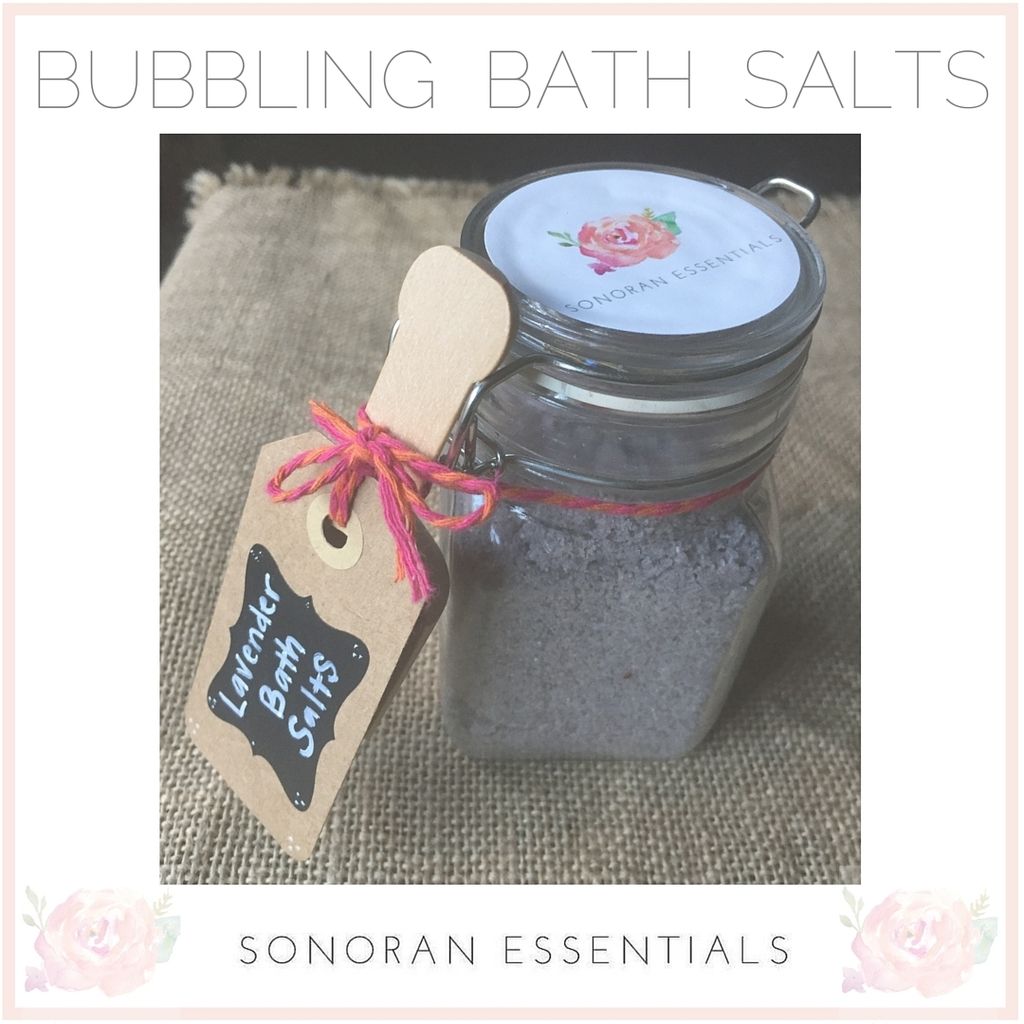
Homemade bath and body products are my absolute favorite!! They are so  much fun and also inexpensive to make. Depending on the season, holiday, or occasion you can mix and match colors and scents as needed. These products also make great gifts. They are so simple to make, just about anyone can do it. My 6 year old made the salts pictured for his teacher on her birthday. He had a blast making them and really felt like he was doing something special for her. As expected, she loved receiving a homemade gift from her student!

Soaking in the bath, in general, provides many health benefits. It promotes healthy circulation, perspiration, and relaxation. Taking baths also aids in the removal of dead skin cells that can block pores and lead to unsightly bumps and blemishes on your body. Through the process of dermal absorption, or absorbing nutrients through the skin, your body is able to absorb minerals more effectively than consuming the minerals orally.

Ingredients:
  • 1 cup Epsom salt
  • 1/2 cup Himalayan sea salt
  • 1/4 cup baking soda
  • 3 tablespoons Body Wash (I used Dr. Bronners Baby Wash)
  • 1 teaspoon coconut oil
  • Optional: Food Coloring (I used a few drops of gel food coloring)


Essential Oils:
  • 20 drops essential oil of your choice (I used Lavender for this batch)
I only use therapeutic grade essential oils that are safe for consumption.
For more information on how to purchase these oils, please feel free to contact me.)

Instructions:
Combine body wash, coconut oil, essential oils, and food coloring (if using) in a large mixing bowl.

Add Epsom salt, Himalayan sea salt, and baking soda to mixture.

Mix until well combined.

Spread mixture out to dry on a large baking sheet.

Allow mixture to dry for about 24 hours.

Add mixture to container of your choice. We used a glass jar and attached a spoon for scooping out the bath salts.

Add desired amount to warm bath, and enjoy!

Mixture keeps for about 3 months. 

Nerdy Extras:
Epsom salt is not actually a salt, but a mineral compound of magnesium and sulfate. To see the health benefits I listed in a previous post, click here. Sulfates help to improve absorption rates of nutrients, while flushing out toxins. Sulfates are also know to ease pain associated with headaches and migraines.

Himalayan sea salt benefits include supporting healthy weight loss, easing muscle pain, detoxifying, and hormone balancing.

Baking soda, aka sodium bicarbonate, provides alkalinity and aids in removing toxins from the body. It also helps to make bathwater feel silky.


FDA Disclaimer: "These statements have not been evaluated by the Food and Drug Administration. This product is not intended to diagnose, treat, cure, or prevent disease."

Ingredients That Fight Hyperpigmentation


What do kojic acid, lactic acid, l-ascorbic acid, malic acid, and glycolic acid all have in common? Well, aside from the fact that they are all acids, they are all ingredients that are commonly used to help treat hyperpigmentation. All are also naturally derived and relatively gentle on the skin if used properly.

Kojic acid is naturally obtained from mushrooms that are native to Japan. It is a natural skin-lightening agent and also classified as an antioxidant. It works by limiting skin’s production of melanin, what gives our skin it's unique color. Kojic acid works by suppressing an enzyme necessary to produce melanin.

Another natural ingredient used to treat hyperpigmentation is L-absorbic acid.  More commonly known as Vitamin C, it is a powerful antioxidant. It can help reverse damage from the sun and stimulates collagen production for tighter skin. It also slows the production of melanin, or hyperpigmentation. One detriment of l-absorbic acid is that it undergoes chemical changes upon exposure to light, heat, or air, becoming inactive. Therefore, the product needs to be used relatively quickly to be beneficial.

Malic acid is an alpha hydroxy acid (AHA) that is naturally derived from apples and used to exfoliate dead skin cells, treat melasma, and aid in the treatment of acne. Malic acid also promotes the production of collagen and reduces sun-induced signs of aging after months of daily application. While able to correct photo aging, unfortunately it concurrently makes skin more vulnerable to hyperpigmentation.

Another AHA, lactic acid is naturally derived from milk. It is a skin brightener, that helps to increase cell turnover rates, and improve the texture of the skin. The regular use of lactic acid may also help with product absorption rates as well. Commonly used in chemical peels, lactic acid is relatively mild and requires little to no downtime. It is suitable for both dry and oily skin types, and does not have a photosensitizing effect.

Glycolic acid is also an AHA, and naturally derived from sugar. It has the smallest molecular structure of all the AHA's making it most effective for treating fine lines, acne, blackheads, dullness, oiliness, and of course - hyperpigmentation. Like lactic acid, it is also commonly used in a series of chemical peels. It is a transparent, colorless, water-like liquid. It is considered a mild to moderate peel, and strengths come in varying percentages, that usually range from 30% to 75% concentration. It is said that glycolic acid is slightly more aggressive than lactic acid.

All of the ingredients listed above need to be used in conjunction with sunscreen to prevent further hyperpigmentation and sun damage and to maintain desired results.