Showing posts with label Hyperpigmentation. Show all posts

Lightening Lift Peel


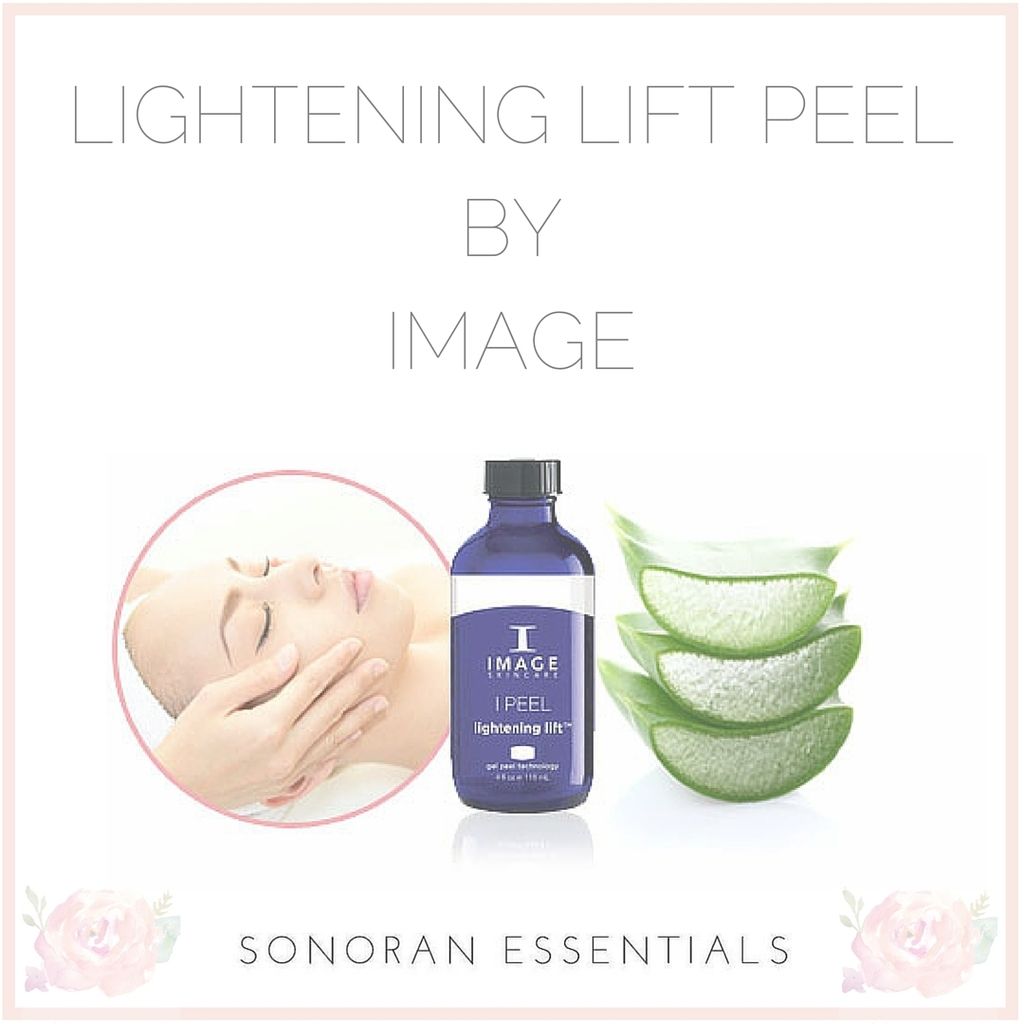
As someone who suffers from an uneven complexion, I am particularly drawn to the Lightening Lift® peel by IMAGE Skincare. It is made up of an organic aloe vera gel base and contains a 50% blend of Lactic and Kojic Acid. Lactic acid is an AHA exfoliator, while Kojic acid is a skin lightener and tyrosinase inhibitor (reduces hyperpigmentation). Several other ingredients also make this peel attractive including echinacea angustifolia stem cells that stimulate the synthesis of new collagen and reduce post-inflammatory hyperpigmentation (PIH). A botanical blend of coffee and peppermint aid in cell renewal and balance. Essential oils like eucalyptus and ylang ylang help detoxify and oxygenate the skin. Natural skin brighteners like luminescene, bearberry, licorice, and mulberry are used to enhance this peel as well. Lastly, a natural protective complex made up of mallow extract, arnica, green tea, comfrey, and blackberry help nourish the skin.

As someone who personally takes an interest in essential oils and natural products, I believe this peel is an excellent choice. I personally loved the way it felt on my skin. It is hydrating, brightening, lightening, and tightening. I feel like it significantly reduced my fine lines. It is a great superficial peel, perfect for those who are not interested in treatments that require downtime. I personally did not have any irritation whatsoever from this peel. It is perfect for a first-time peel, and for preventative anti-aging. It should be a top choice for those seeking younger looking, even toned, illuminated skin. The Lightening Lift peel should be done a total of 6 times, at 2 week intervals, for optimal results. It can be left on the skin anywhere from one to ten minutes, depending on the clients tolerance. It is also one of the most cost effective chemicals IMAGE has to offer, which is also a big plus for clients who want great looking skin on a budget!

The PicoSure Laser for Tattoo Reduction & More


Tattoo reduction is on the rise, and having a laser platform proficient in removing tattoos as well as being able to effectively provide additional skin treatments is an excellent investment as a clinical esthetician, in my opinion. I couldn't be more excited to be getting training on this! It is estimated that approximately twenty percent of people with tattoos regret at least one of their tattoos! Laser technology has come a long way over the years. It is much less painful now, and significantly more effective. the It's no wonder that there was a forty-three percent increase in the number of tattoos reductions in 2012; and those numbers continue to rise.

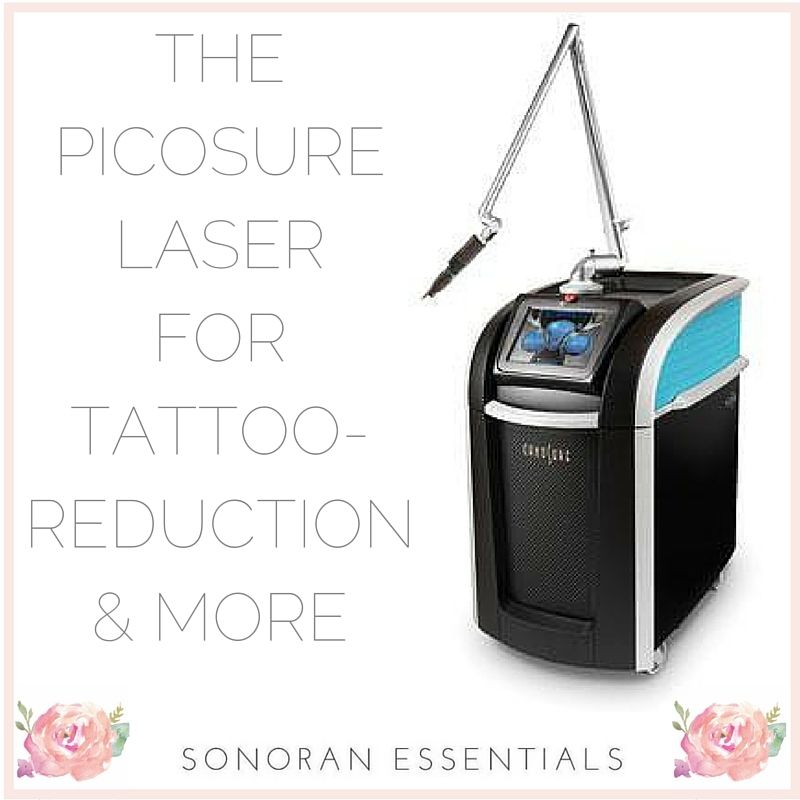
Tattoo reduction lasers work by delivering short, powerful pulses of energy to the tattooed skin, which shatters the ink into particles. The body's natural immune system then responds by flushing away the shattered ink over the course of several weeks. PicoSure utilizes extraordinarily short pulses; a picosecond, or one trillionth of a second in length. Other lasers utilize nanotechnology, which delivers pulses in nanoseconds, or one billionth of a second. Until PicoSure was developed, Q-Switched lasers were considered standard for tattoo removal. Q -Switched lasers use photo-thermal energy to break up the tattoo ink, which cause heat and injury to the surrounding tissue. The photo-mechanical pressure wave technology utilized by the PicoSure laser enables tattoo ink to be broken into smaller particles. This translates to faster clearance with decreased recovery times.

The PicoSure laser platform has a combination 755nm/532nm wavelength to treat a full spectrum of colors, and it is currently the only platform in its class to provide that type of coverage. The 755 wavelength reduces purple, brown, and black ink. This includes stubborn blue and green tattoo ink as well. The 532 wavelength also effectively reduces red, orange, and yellow tattoo inks.

The same photomechanical laser technology safely be used on the décolleté, face, hands, legs, and more to treat various types of skin conditions. The PicoSure laser can reduce fine lines and wrinkles, as well as acne scars. The PicoSure laser also effectively treats conditions associated with pigmentation in the skin, such as hyperpigmentation and freckles. All of which are in high demand by today's consumers.

Ingredients That Fight Hyperpigmentation


What do kojic acid, lactic acid, l-ascorbic acid, malic acid, and glycolic acid all have in common? Well, aside from the fact that they are all acids, they are all ingredients that are commonly used to help treat hyperpigmentation. All are also naturally derived and relatively gentle on the skin if used properly.

Kojic acid is naturally obtained from mushrooms that are native to Japan. It is a natural skin-lightening agent and also classified as an antioxidant. It works by limiting skin’s production of melanin, what gives our skin it's unique color. Kojic acid works by suppressing an enzyme necessary to produce melanin.

Another natural ingredient used to treat hyperpigmentation is L-absorbic acid.  More commonly known as Vitamin C, it is a powerful antioxidant. It can help reverse damage from the sun and stimulates collagen production for tighter skin. It also slows the production of melanin, or hyperpigmentation. One detriment of l-absorbic acid is that it undergoes chemical changes upon exposure to light, heat, or air, becoming inactive. Therefore, the product needs to be used relatively quickly to be beneficial.

Malic acid is an alpha hydroxy acid (AHA) that is naturally derived from apples and used to exfoliate dead skin cells, treat melasma, and aid in the treatment of acne. Malic acid also promotes the production of collagen and reduces sun-induced signs of aging after months of daily application. While able to correct photo aging, unfortunately it concurrently makes skin more vulnerable to hyperpigmentation.

Another AHA, lactic acid is naturally derived from milk. It is a skin brightener, that helps to increase cell turnover rates, and improve the texture of the skin. The regular use of lactic acid may also help with product absorption rates as well. Commonly used in chemical peels, lactic acid is relatively mild and requires little to no downtime. It is suitable for both dry and oily skin types, and does not have a photosensitizing effect.

Glycolic acid is also an AHA, and naturally derived from sugar. It has the smallest molecular structure of all the AHA's making it most effective for treating fine lines, acne, blackheads, dullness, oiliness, and of course - hyperpigmentation. Like lactic acid, it is also commonly used in a series of chemical peels. It is a transparent, colorless, water-like liquid. It is considered a mild to moderate peel, and strengths come in varying percentages, that usually range from 30% to 75% concentration. It is said that glycolic acid is slightly more aggressive than lactic acid.

All of the ingredients listed above need to be used in conjunction with sunscreen to prevent further hyperpigmentation and sun damage and to maintain desired results.